Electric baseboard heaters are a common choice for zone-based heating, especially in older homes or rooms that require independent climate control. The right WiFi thermostat can optimize comfort, reduce energy use, and integrate with your smart home. This guide reviews five top options designed for 120V/240V line-voltage systems, highlighting features like remote control, scheduling, voice control, and energy reports. Each product is evaluated for compatibility, installation needs, and smart integrations to help you choose the best fit for your space.
Summary of Selected Products
| Product | Voltage | Key Benefit | Smart Home Compatibility |
|---|---|---|---|
| Mysa Smart Thermostat LITE | 120V/240V | Cost savings with schedules and energy monitoring | HomeKit, Alexa, Google |
| meross Smart Thermostat (Electric Baseboard) | 120V/240V | High voltage ready with 4-wire install option | HomeKit, Alexa, Google, SmartThings |
| Mysa Smart Thermostat (240V Baseboards) | 240V | Remote control with free app and alerts | HomeKit, Alexa, Google |
| MOES Programmable Smart Thermostat | 120V/240V | Remote control and energy saving schedules | Alexa, Google, Smart Life/Tuya |
| Bestechy Programmable Smart Thermostat | 95-240V | Tuya-based with Matter support and broad compatibility | Alexa, Google, Apple HomeKit |
Mysa LITE: Flexible 120/240V Line-Voltage Control
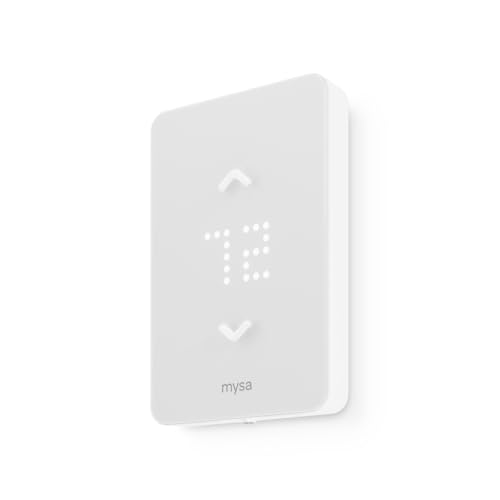
The Mysa Smart Thermostat LITE is designed for high-voltage electric baseboard heaters, fan-forced heaters, and related wall units. It supports 120V-240V wiring, enabling DIY installation in many rooms. A standout feature is energy-conscious scheduling that helps users reduce heating when away and maintain comfort when home. The app remains 100% free, with remote control, scheduling, energy reporting, and seamless smart integrations included at no subscription cost. It’s a solid all-around choice for homes seeking precise control without ongoing fees.
Meross High-Voltage Smart Thermostat

The Meross thermostat is built for electric baseboards and other high-voltage heaters. It works with Apple HomeKit, Alexa, Google Home, and SmartThings. Installation notes emphasize a 4-wire setup (or more) and a maximum output load of 16A (1920W at 120V or 3840W at 240V). This model is ideal for users who want strong voice control and broad ecosystem compatibility while handling higher wattage loads in a single device.
Mysa 240V Baseboard Thermostat

This 240V Mysa model focuses on remote control with a 100% free app, plus reliable scheduling and temperature alerts. It requires at least four wires (neutral or second live) and is designed for high-voltage baseboard systems. Features like adaptive display brightness enhance user experience in bedrooms or living rooms, while HomeKit, Alexa, and Google compatibility enable voice and routine-based automation.
MOES Smart Thermostat for Electric Baseboard Heaters

MOES offers a versatile high-voltage thermostat with a 2.4G WiFi connection and remote control via Smart Life or Tuya apps. It supports 120V/240V installations and emphasizes energy-saving functions and remote scheduling. It’s compatible with Alexa and Google Assistant, enabling voice commands to adjust temperature and schedules. The model highlights a user-friendly knob control and a frosted display for clear visibility in various lighting conditions.
Bestechy Smart Thermostat (Tuya Platform)

Bestechy stands out with a Matter-ready Tuya-based ecosystem and broad compatibility across voice assistants. It supports 95-240V operation and a 16A load capacity, making it suitable for many electric baseboard setups. It claims strong energy-saving capabilities through a 5+1+1 day weekly schedule and multiple daily stages, with seamless integration into Apple HomeKit, Alexa, Google, and Tuya/Smart Life environments. This model is a flexible fit for smart homes pursuing future-proof standards.
Buying Guide: Key Purchase Considerations
- Voltage compatibility: Verify your baseboard system is line-voltage (120V/240V) and that the thermostat supports your exact wiring (number of wires, presence of a neutral).
- Load rating: Check the thermostat’s maximum wattage/current rating to ensure it can safely handle your heater’s power draw.
- Installation requirements: Some models require four wires or a neutral; ensure you’re comfortable with DIY installation or plan for professional help.
- Smart platform compatibility: Consider which ecosystems you use (HomeKit, Alexa, Google, SmartThings, Matter) and choose a device that integrates smoothly.
- Energy features: Look for scheduling, adaptive display, energy reports, and remote control to maximize savings.
- Reliability and updates: Favor thermostats with ongoing app support and regular firmware updates to maintain security and features.
- Security and privacy: Review data policies for remote access and cloud connectivity, especially if multiple smart devices share a hub.
- Display and usability: A bright, easy-to-read display and intuitive controls help daily use, particularly in bedrooms or hallways.
- Future-proofing: If you anticipate expanding your smart home, select a model supporting Matter or broader ecosystem compatibility.
When selecting a WiFi thermostat for electric baseboard heating, balancing installation practicality, voltage compatibility, and smart-home integrations is essential. Each of the reviewed models offers distinct advantages, from budget-friendly scheduling to advanced Matter support. Assess your current wiring, preferred voice assistants, and energy-saving goals to pick the device that best fits your home and daily routines.