Choosing the right window tint for buildings involves balancing daytime privacy, heat rejection, UV protection, and ease of installation. The options below cover a range of high-privacy films designed to reduce glare and cooling loads while preserving interior light. This guide highlights five top products, explaining how each film performs in typical American building settings—from home offices to large living spaces. Readers will find practical installation tips, what to expect in terms of privacy dynamics, and how to compare films based on UV blocking, heat rejection, and adhesive quality.
| Product | Brand | Key Benefit | Notes |
|---|---|---|---|
| BDF NA05 Window Film | BDF | Very dark daytime privacy; strong heat rejection | Not recommended for dual-pane windows |
| Dwersty One Way Window Film | Dwersty | Daytime privacy with mirror effect; UV and heat control | Effect depends on interior/exterior light balance |
| BDF S05 Window Film | BDF | Mirror-silver finish; strong privacy and heat control | Daytime privacy; mirror at night* |
| KESPEN Window Film | KESPEN WINDOW FILMS | One-way privacy; UV and glare reduction | Non-adhesive option for easy removal |
| Savvy Choice Daytime Film | Savvy Choice | One-way privacy; UV and IR blocking | Mirror effect depends on lighting |
BDF NA05 Window Film: Daytime Privacy and Heat Control
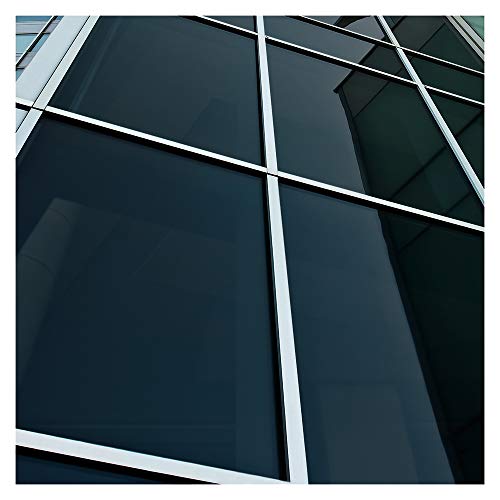
The BDF NA05 film features an extra dark, nearly black finish that delivers excellent daytime privacy. Its high-contrast look helps obscure interior activities from outside observers while still allowing light to pass through. The film is noted for strong heat rejection, contributing to lower cooling loads in hot months. It also blocks 99% of UV rays, protecting furnishings and helping to slow fading. A release liner protects the adhesive for easier handling, but installation benefits from generous soapy-water usage to moisten both the adhesive and the window surface. It is not recommended for dual-pane windows, which is a critical consideration for many modern commercial and residential buildings.
Ideal applications include private offices, conference rooms, or residential spaces where daytime privacy is prioritized and the window setup is compatible with single-pane or non-dual-pane configurations. Prospective buyers should account for the installer’s access to soap/water, the need for careful measurement, and the limited applicability to certain glazing types. The film’s very dark appearance can impact the interior lighting balance, so planning for lighting design is advisable. Overall, its privacy and UV protection make it a strong candidate for heat-conscious environments.
Dwersty One Way Window Film: Daytime Privacy with Heat Control

Dwersty offers a classic one-way privacy solution with a daytime mirror effect: when exterior light is brighter, the exterior appearance mirrors the interior, restricting visibility from outside. If inside lighting exceeds outdoors (nighttime or overcast days), the mirror effect diminishes, requiring curtains for privacy. The film balances light transmission with reflective properties, contributing to a brighter interior during the day while maintaining privacy when daylight conditions favor exterior visibility.
Beyond privacy, Dwersty emphasizes heat rejection and energy savings. By reflecting a portion of the sun’s heat, the film helps maintain a comfortable interior temperature and can assist in stabilizing HVAC loads. UV blocking stands at about 93%, with infrared reduction around 85%, helping to protect furnishings from fading and reduce glare. The kit includes free installation tools inside the paper tube, simplifying the setup for DIY projects or quick retrofits. For larger installations, coordination with installers remains essential to ensure a clean, bubble-free finish.
BDF S05 Window Film: Daytime Privacy with Mirror Finish

The BDF S05 film combines day-facing privacy with a highly reflective silver finish that contributes to a mirror-like exterior. The effect is designed to reduce cooling costs through heat rejection while maintaining excellent daytime privacy. It blocks 99% of UV rays, protecting interiors and furnishings from sun damage. The adhesive is protected by a release liner, and the installation method recommends using substantial soapy water to prepare both the film and glass for a smoother application. At night, the privacy dynamics shift as interior lighting becomes more prominent, which is a typical behavior for one-way privacy films.
In building settings, this film is well-suited for spaces that require clear daylight transmission during the day while keeping the view from inside blocked from the outside. Space planners should note that the “mirror” appearance may vary with lighting conditions, and nighttime privacy typically necessitates additional window coverings. For projects emphasizing energy efficiency and interior protection, S05 is a robust option with proven performance in varied environments.
KESPEN Window Film: One Way Daytime Privacy and UV Blocking

KESPEN offers a one-way daytime privacy solution with a reflective, mirror-like effect. Its UV blocking is strong and designed to protect interior furnishings from sun damage, while glare reduction contributes to a more comfortable interior environment. A notable feature is the non-adhesive option, which can be easier to remove and reposition, making it suitable for renters or temporary installations. The film allows a balanced amount of natural light, preserving visibility while maintaining privacy during the day. Nighttime privacy depends on interior lighting, so users may need to draw curtains after dark to ensure complete seclusion.
Because KESPEN emphasizes UV protection and glare control, it is particularly suitable for office spaces, retail storefronts, and residential rooms adjacent to bright facades. The non-adhesive option minimizes potential damage to glass during removal, offering flexibility for temporary or seasonal use. When choosing between adhesive and non-adhesive styles, consider long-term maintenance, wall color reflections, and potential residue concerns on certain glass types.
Savvy Choice Daytime Privacy Window Film: Classic One Way
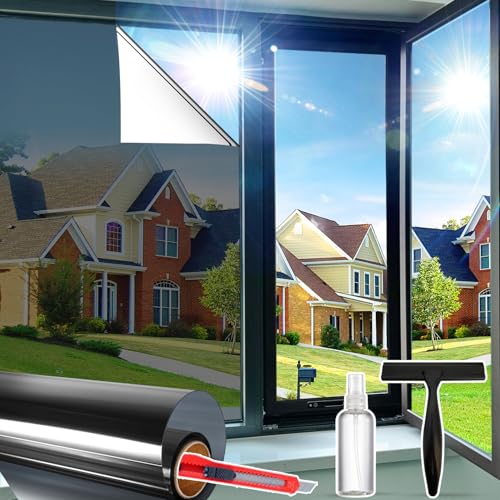
Savvy Choice combines daytime privacy with heat and glare control, offering a one-way privacy effect that is highly dependent on lighting. The film blocks a substantial portion of UV radiation and infrared heat, helping to preserve interior furnishings and reduce cooling demands. As with other one-way films, the privacy level is strongest during daylight when exterior lighting is greater, with a potential drop in effectiveness at night, unless interior lights are dimmed or curtains are drawn. The included tools and packaging emphasize ease of DIY installation with a focus on achieving a smooth, bubble-free finish.
Applications range from private home offices and living rooms to storefront windows where passersby should not see interior activity during the day. Prospective buyers should weigh the advantage of strong daytime privacy against nighttime visibility needs, and consider complementing the film with additional window coverings for after-dark privacy. This film is well-suited for people seeking effective UV and heat management without a heavy, reflective mirror finish at night.
Buying Guide: Key Purchase Considerations for Window Tint in Buildings
- Privacy balance: One-way films offer daytime privacy but may lose effectiveness at night. Consider whether you need curtains or blinds for after-dark privacy.
- Lighting conditions: The mirror or reflective effect depends on the relative brightness outside versus inside. For spaces with large, bright facades, reflective films can provide strong privacy during the day.
- Heat rejection and UV protection: Look for films that specify UV blocking percentages and infrared rejection to protect interiors and reduce cooling loads.
- Glass compatibility: Some films are not recommended for dual-pane windows; verify glazing type before purchasing for institutional or modern residential buildings.
- Adhesive and installation: Adhesive films tend to be more permanent and harder to remove; non-adhesive or easy-remove options may suit rentals or seasonal changes.
- Installation complexity: DIY kits often include tools; however, larger commercial installations may benefit from professional application to ensure a seamless finish.
- Visibility and glare: Consider how film affects daylight transmission, interior brightness, and glare reduction to balance working and living environments.
- Aesthetics: Finishes vary from dark, mirror-like silvers to charcoal and natural tones. Align the film’s visual profile with the architectural design and interior decor.
- Maintenance: Some films require particular cleaning methods to avoid adhesive damage or streaks; follow manufacturer guidelines for long-term performance.
In summary, the best window tint for buildings depends on the specific needs of privacy, energy efficiency, and interior comfort. The five products reviewed here cover a spectrum—from very dark daytime privacy with strong UV blocking to reflective, heat-rejecting options suitable for bright, sunlit facades. When selecting a film, assess glass type, desired level of day-versus-night privacy, and whether a non-adhesive or adhesive solution aligns with your maintenance and replacement plans. This approach helps ensure a practical, durable, and aesthetically pleasing result for American homes and offices alike.