Finding reliable wood stoves for shops requires balancing heat output, fuel efficiency, durability, and safety. This guide highlights five top options that suit small to medium workspaces, garages, and workshop environments. Each model stands out for solid construction, substantial heat coverage, and straightforward operation. Read on to compare key features, installation considerations, and practical usage tips that help maintain a comfortable, economical work area.
Summary of chosen products:
| Product | Brand | Approx. Heating Area | Key Benefit |
|---|---|---|---|
| Ashley Hearth AW3200E-P | Ashley Hearth | Up to 3,200 sq ft | Heavy steel build with long burn life |
| Huron Medium Wood Stove | Cleveland Iron Works | Up to 2,500 sq ft | Solid biomass tax credit eligibility |
| Cleveland Iron Works Erie | Cleveland Iron Works | Up to 900 sq ft | Compact with reliable performance |
| US Stove SR57E Rancher | UNITED STATES STOVE Co | Outdoor-style cooking and heating | Versatile cast iron design |
| JossaColar Stove Fan | JossaColar | All wood stoves (indirectly improves heat distribution) | Heat-powered, battery-free operation |
Ashley Hearth AW3200E-P: 3,200 Sq Ft EPA Certified Stove
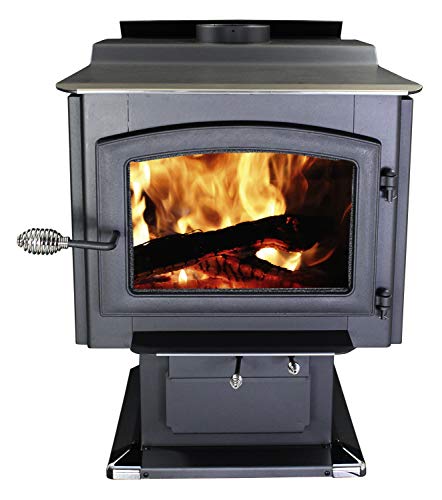
The AW3200E-P delivers robust heating capability across large workshop areas. It combines heavy-gauge plate steel (3/16 inch) with a firebrick lining to maximize longevity and combustion efficiency. Its design accommodates logs up to 18–22 inches and can hold up to 30 pounds of wood, supporting longer burn cycles between reloads. With EPA certification, this model emphasizes cleaner burning and compliance with performance standards suitable for shop environments that require steady, dependable heat.
Huron Medium Wood Stove

The Huron Medium Wood Stove supports heat delivery to about 2,500 square feet, making it a strong option for medium-sized shop spaces. It accepts standard firewood lengths up to 18 inches and integrates well with existing ventilation and chimney setups. Notably, purchasing this stove can qualify buyers for a 30% biomass stove tax credit, offering a potential financial incentive when upgrading shop heating systems. This model emphasizes solid construction and dependable warmth for busy workdays.
Cleveland Iron Works Single Burn Rate Erie Wood Stove

The Erie unit is a compact solution for smaller workshop footprints, heating up to about 900 square feet. It accepts firewood up to 18 inches long and carries a straightforward burn system with a one-year warranty for reassurance in busy shop settings. This stove prioritizes reliability and space efficiency, enabling a steady heat source without overwhelming a compact workspace.
US Stove Company SR57E Rancher Cast Iron Stove
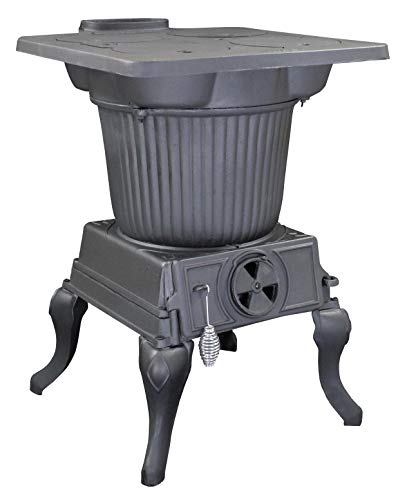
The SR57E Rancher blends cast iron construction with practical cooking and heating capabilities. It is designed to support bituminous coal and features multiple lift-out cook lids, a sturdy shaker grate, and a large ash pan for easy cleaning. While well-suited for shop environments that require robust, all-purpose heat and occasional cooking functionality, installation should consider proper ventilation and clearance to surrounding combustibles.
KUNGKA Black Wood Burning Tent Stove

Although primarily designed for camping, the KUNGKA tent stove demonstrates features that can inform shop heater strategies when space is off-grid or temporary heating is needed. It includes a seven-section stainless steel chimney for flexible height, a heat-resistant glass door for visual burn control, and portability with foldable legs. In shop settings, it illustrates design considerations such as heat management, exhaust routing, and ease of transport for temporary or supplemental heating needs.
Notes on product selection: For indoor workshop heating, prioritize models with robust burn chambers, long burn times, and the ability to sustain safety clearances. Outdoor or hybrid options provide flexibility for uninsulated spaces or mixed-use environments. Accessories like heat-powered fans can improve heat distribution without requiring electricity, which is advantageous in some shops.
Buying Guide: Wood Stoves For Shops
- Heat output and space coverage: Match BTU ratings and square footage capacity to the shop size. Overpowered stoves waste fuel and require more ventilation; underpowered units struggle during peak workloads.
- Fuel type and efficiency: Consider stove construction, firebox insulation, and clean-burning performance. EPA-certified models typically offer better efficiency and lower emissions.
- Installation considerations: Measure clearance to combustibles, chimney or venting requirements, and proper floor protection. Some stoves require professional installation for safe operation and warranty validity.
- Durability and warranty: Look for heavy-gauge steel, cast iron components, and bake-ready linings. A robust warranty minimizes downtime in busy shops.
- Safety features: Automatic shutoffs, heat shields, and spark arrestors are important in workshop environments where dust and debris are present.
- Maintenance and ease of use: Consider ash removal access, grate design, and the availability of replacement parts. Stoves with simple burn control systems ease daily usage.
- Fuel availability and cost: Availability of seasoned hardwood vs. softwood affects ongoing operating costs. Explore local wood sources and seasonal supply to optimize budgeting.
- Ventilation and air quality: Ensure adequate ventilation to prevent buildup of fumes. Some workshops may require additional air intake provisions or air exchange strategies.
- Outdoor vs. indoor usage: Outdoor or hybrid stoves may be suitable for uninsulated shop spaces or cold-weather shelters, while indoor units need proper chimneys and fireproof installations.
- Tax incentives and rebates: In regions offering biomass or clean energy credits, selecting eligible models can offset upfront costs over time.